How Reveille Transformations came about
I wasn’t supposed to be the clever one.
That’s not self-pity — it’s just how it was. Growing up, my brother was the bright one. That’s what people said, and said often enough that I stopped questioning it. I internalised it, the way we all internalise the things we hear repeatedly, and quietly decided that academic achievement wasn’t really for me.
It took me years to understand that belief wasn’t a fact. It was conditioning.
That realisation didn’t come quickly or easily. It came through lived experience, through study, through sitting in a room watching a psychology demonstration that quietly rearranged something in my thinking — and through understanding, for the first time, that the mind is not a fixed thing. That we are not slaves to it. That with the right tools, we can become the masters of our own ship.
That moment changed everything.
In the beginning
Before any of that — there was the Army.
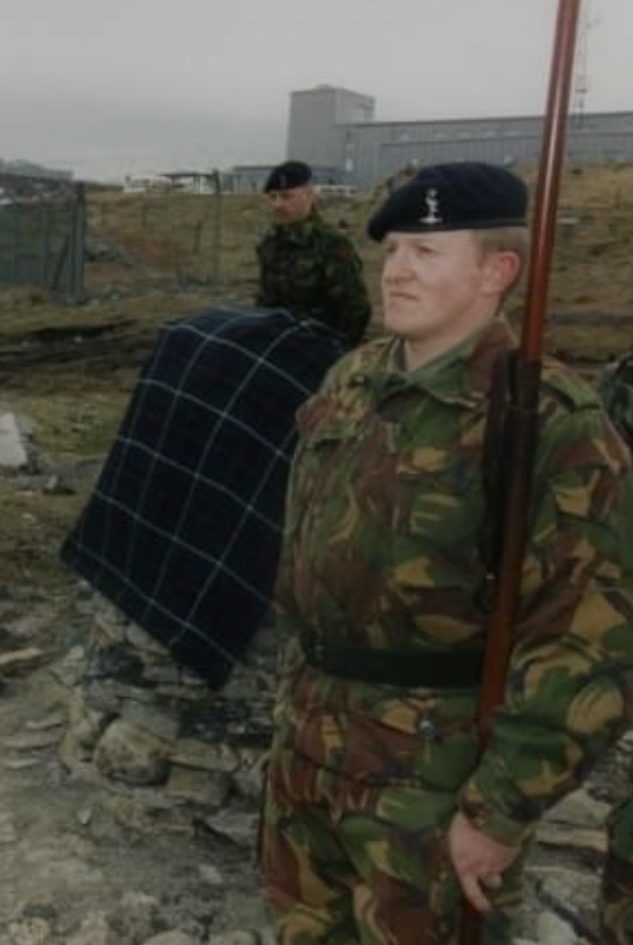
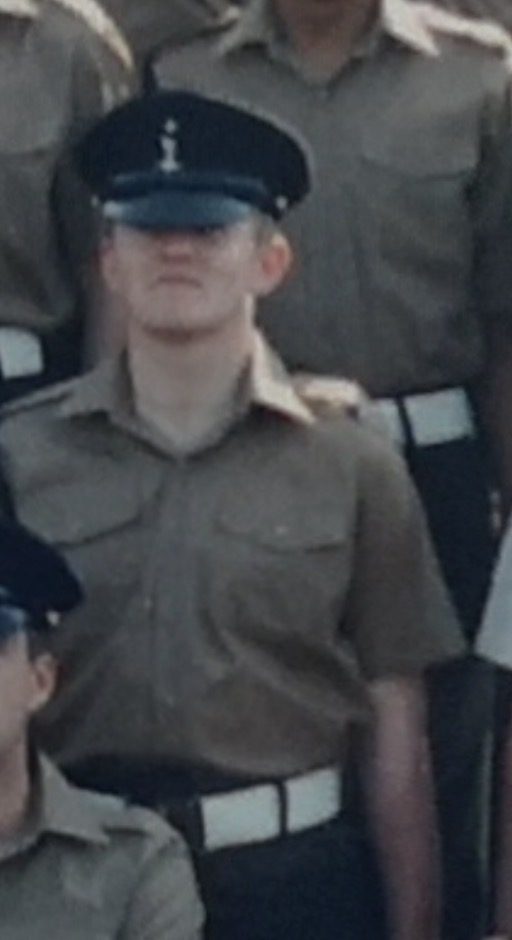
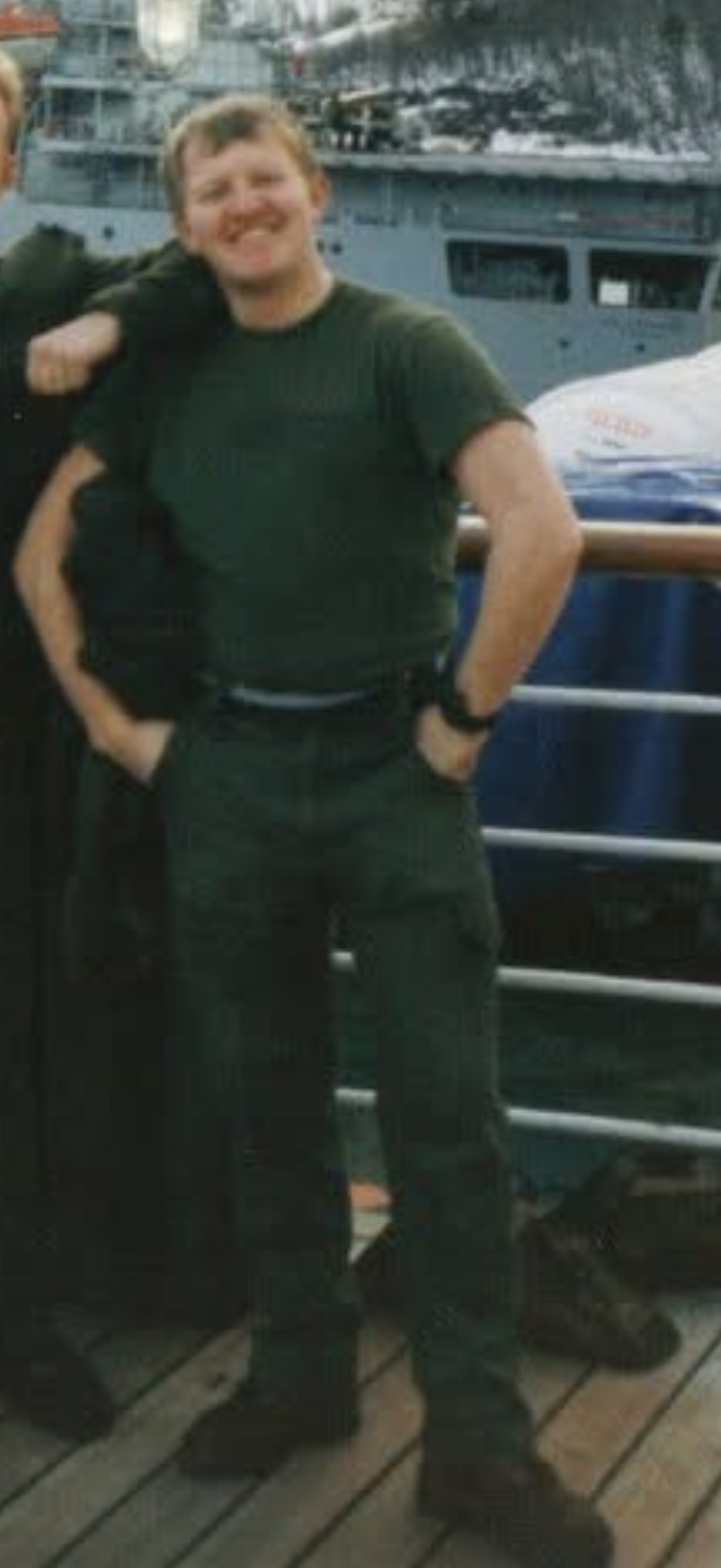
At eighteen, I joined the British Army’s Royal Corps of Signals. Over the next nine years, I went places and did things that shaped me in ways I’m still unpacking.
Belize. Bosnia — twice. Norway. Turkey. Northern Ireland — two tours. Germany. Gambia. Tampa Bay. Trinidad and Tobago. Each posting different, each one demanding something specific: adaptability, composure, the ability to function when the situation is unclear and the stakes are real.
I thrived in that environment. The structure, the purpose, the sense of being part of something that mattered — it suited me. What I didn’t fully appreciate at the time was how much of my identity was bound up in it.
Leaving the Army is rarely straightforward. The transition into civilian life — telecommunications, in my case — offered stability, but not meaning. I knew there was something else I was supposed to be doing. I just hadn’t found it yet.
Lived Experience
Built from the inside out
Reveille-Transformations was founded by someone who has lived the life you may be describing.
Nine years in the British Army’s Royal Corps of Signals took me across the world — from the jungles of Belize to the streets of Bosnia, from the hills of Norway to two tours in Northern Ireland. I know what it means to function under pressure, to operate as part of something bigger than yourself, and to find that civilian life — for all its freedoms — doesn’t always come with a map.
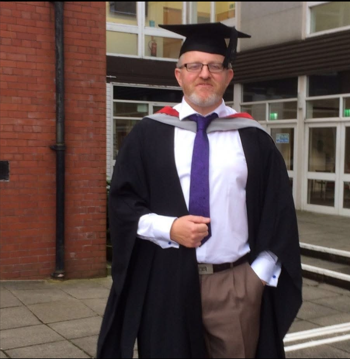
That experience never left me. It shaped everything that came after — a law degree, two master’s degrees in psychology, postgraduate training in social work, and a Level 5 qualification in Cognitive Behavioural Hypnotherapy. Years of study, shaped by years of service.
I built Reveille-Transformations because I couldn’t find what I needed after I left — and I know I’m not alone in that.
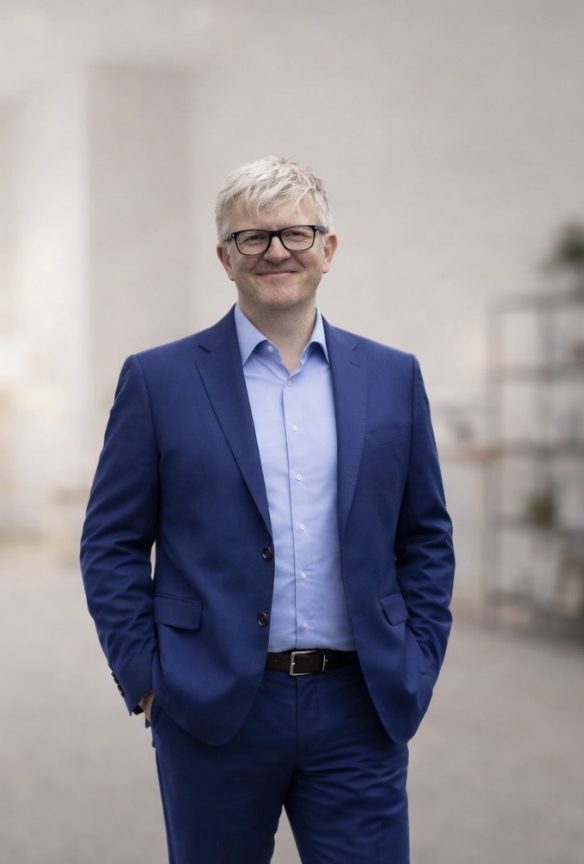
I didn't need the wizard of Oz after all
A law degree came first — partly to prove something to myself, partly because I genuinely didn’t know what direction I was heading. Law, it turned out, wasn’t it. The focus felt too removed from people, from the messy, human reality of why we struggle and what we’re capable of.
Then came that psychology demonstration. Someone stood up and showed a room what the mind can do when it’s working with you rather than against you. The capacity for change. The idea that the stories we tell ourselves — about who we are, what we deserve, what we’re capable of — are not permanent. That they can be examined, challenged, and rewritten.
I was hooked.
Two master’s degrees in psychology followed. Then postgraduate training in social work — undertaken during the chaos of the Covid pandemic, which brought its own challenges and taught me a great deal about resilience, improvisation, and knowing when to change course. Then a Level 5 qualification in Cognitive Behavioural Hypnotherapy from the UK College of Hypnotherapy.
Not the most conventional path. But then, the most useful ones rarely are.
The Gap
Why Reveille-Transformations.
I built this practice because I couldn’t find what I needed after I left the Army — and because I’ve since spoken to enough people in similar positions to know that gap is real and widespread.
There are excellent services for people in crisis. That’s not what this is.
This is for the person who is functional, capable, and accomplished — and who knows, quietly, that something needs to shift. The veteran who can’t quite find their footing in civilian life. The police officer who has given everything to the job and isn’t sure who they are outside of it. The professional who has operated under sustained pressure for so long that they’ve lost sight of what they actually want.
I know that person. In many ways, I was that person.
The name Reveille is deliberate. It’s a call to rise — not from crisis, but from stillness. A signal that it’s time to move again, with clarity and with purpose.
The Approach
Having qualified in Cognitive Behavioural Hypnotherapy, my approach combines evidence-based Cognitive Behavioural strategies with Hypnotherapy techniques designed to reinforce and embed positive beliefs, behaviours, and ways of thinking. This integrated approach helps clients create meaningful, lasting change and move towards their goals more effectively and efficiently.
Everything delivered through Reveille-Transformations is structured, evidence-based, and built around a suite of tools drawn from cognitive and behavioural therapy — shaped by the foundational work of Aaron Beck, Albert Ellis, Donald Meichenbaum, and Andrew Salter.
No open-ended meandering. No vague outcomes. A clear framework, practical tools, and a process designed for people who respond to structure — because that’s the environment most of us were trained in, and there’s a good reason it works.
All programs are delivered online (via zoom or google meets), on your schedule.